• Yeah, iconic glowing standard oil torch with a dye cut can and porcelain enamel hanging on the wall and really large scale with a retro themed garage design. Space

    Made the right way

    Each sign, a tribute to those iconic images and nostalgic designs that defined history and changed the Advertising industry forever.

    Why Authenticity Matters 
  • Crafted by Hand

    Every neon porcelain sign is proudly made in the USA with traditional methods; cut steel, kiln-fired enamel, bent glass tubes. No shortcuts—ever.

    See How Our Neon Is Made 
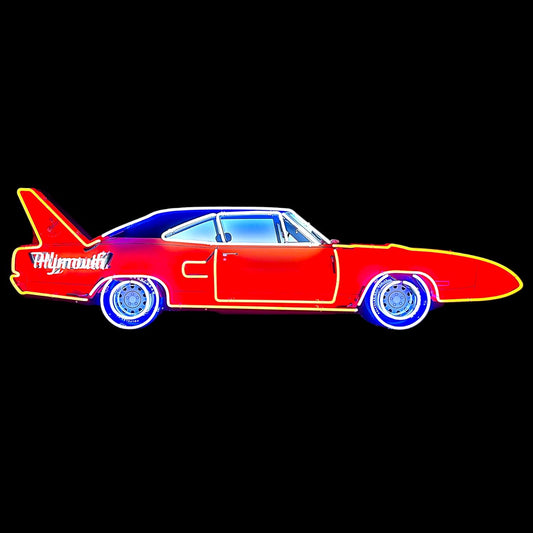
  • Classic collector card garage with real neon porcelain round signs with a steel can displayed in different sizes on the Wall

    Our Promise To You

    Not completely satisfied? We'll make it right. Return shipping is on us, and we'll help you send it back for a full refund—no questions, no hassle.

    Get Answers to FAQ 
1 Of 3

Premium & Authentic Collections: Classic Car & Automotive

The Visual Language of the American Automobile

Long before cars became appliances, they were statements of progress, craftsmanship, and personal identity. Early automotive advertising didn’t just sell vehicles — it sold freedom, reliability, pride of ownership, and the promise of the open road. The signs that accompanied this era were built to carry that message with permanence.

This collection brings together classic car and automotive advertising signage inspired by the dealerships, service stations, garages, and roadside businesses that shaped American motoring culture from the early 1900s through the golden age of the automobile.


When the Automobile Changed Everything

As automobiles moved from novelty to necessity, public trust mattered. Roads were rough, engines were mechanical, and service was personal. Automotive businesses relied on signage to communicate:

  • Legitimacy
  • Mechanical competence
  • Brand loyalty
  • Permanence

A proper sign told customers they had arrived at a place that knew cars — and stood behind its work.


Dealerships, Garages & Service Stations

Classic automotive signage appeared wherever cars were bought, serviced, or admired:

  • Authorized dealerships
  • Independent repair garages
  • Service stations and tire shops
  • Parts counters and service bays

Brands like Ford and Chevrolet helped define the look of early automotive retail, while independent garages relied on strong visual cues to establish credibility in a competitive landscape.

Together, these signs formed the backbone of America’s automotive streetscape.


Why Porcelain & Neon Became the Standard

Automotive signs lived hard lives. They were exposed to:

  • Sun, rain, and temperature swings
  • Oil, grease, and shop grime
  • Daily activity and outdoor mounting

Porcelain enamel on steel became the gold standard because it could withstand decades of use without losing clarity. Kiln-fired enamel fused glass to steel, creating a surface that:

  • Would not fade or peel
  • Stayed legible and vibrant
  • Felt permanent and professional

That depth, gloss, and weight are exactly what collectors recognize today — and why authentic reproductions must be made the same way to feel right.


Design That Reflected the Machine

Automotive signage favored:

  • Bold typography readable at distance
  • Strong color contrast
  • Emblems, shields, and badges
  • Clean layouts with confident messaging

These weren’t decorative choices — they mirrored the engineering mindset of the era. Clear, honest, and built to last.


What Collectors & Builders Value Today

Original automotive signs — especially porcelain examples — are increasingly scarce, often showing heavy wear from decades of service. As a result, collectors, restorers, and builders seek high-quality reproductions that respect the originals.

Automotive signage is prized because it:

  • Anchors garages and showrooms in real history
  • Complements classic cars without overpowering them
  • Works naturally in workshops and display spaces
  • Feels authentic rather than decorative

A proper automotive sign doesn’t compete with the car — it completes the story.


Built for Real Automotive Spaces

The signs in this Classic Car & Automotive Collection are inspired by original American automotive advertising and produced using traditional materials and methods, not thin printed metal or novelty décor.

They’re designed to have:

  • Substantial weight and presence
  • Correct proportions and typography
  • Enamel depth that looks right under shop lighting

These are signs meant for garages, workshops, showrooms, and automotive spaces — the same environments that inspired the originals.


Preserving the Culture That Built the Road

Classic cars represent more than transportation. They represent ingenuity, independence, and craftsmanship. The signage of the era reflects those same values — honest, durable, and unmistakably American.

This collection preserves that heritage in steel, enamel, and design built to last.