Already Have An Account?




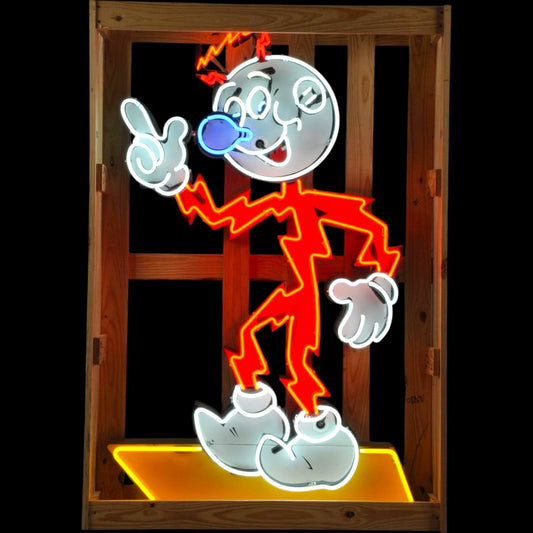

Each sign, a tribute to those iconic images and nostalgic designs that defined history and changed the Advertising industry forever.

Every neon porcelain sign is proudly made in the USA with traditional methods; cut steel, kiln-fired enamel, bent glass tubes. No shortcuts—ever.

Not completely satisfied? We'll make it right. Return shipping is on us, and we'll help you send it back for a full refund—no questions, no hassle.

Premium quality, handcrafted glass real neon signs with porcelain enamel and heavy...

Bold color. Pure nostalgia. Built the way the originals were. Crush Soda has...

Handblown Glass Neon & Kiln-Fired Porcelain Panel Advertising Signage Flat porcelain panels...

Be the first to discover our latest treasures! From vintage-inspired gems to...

Route 66 Vintage Neon & Porcelain Signs Route 66 wasn’t just a...

Shell signs are among the most recognizable pieces of American service-station history....

Horsin’ Around is more than a fundraiser—it’s a driving force behind the Atlantic Center for the Arts. With over $2 million raised in nine years, the event continues to support...
Horsin’ Around is more than a fundraiser—it’s a driving force behind the Atlantic Center for the Arts. With over $2 million raised in nine years, the event continues to support...

Recent auction results confirm what serious collectors already know: original porcelain and neon signage has entered a different tier. Here’s what actually drives those numbers — and what it means...
Recent auction results confirm what serious collectors already know: original porcelain and neon signage has entered a different tier. Here’s what actually drives those numbers — and what it means...

Original porcelain and neon signs are bringing strong prices at auction—but not all signs are created equal. Here’s what decades of auction experience reveal about collectability, craftsmanship, and long-term value.
Original porcelain and neon signs are bringing strong prices at auction—but not all signs are created equal. Here’s what decades of auction experience reveal about collectability, craftsmanship, and long-term value.